
Next Generation of Development in North Dakota
North Dakota is quickly becoming one of the nation’s most sought‑after locations for emerging industries and large‑scale industrial projects. With reliable baseload energy, a stable cost environment and communities eager to grow, the state offers the kind of certainty companies need to invest with confidence. For residents, these projects help strengthen local tax bases, diversify employment opportunities and support long‑term economic vitality.
The North Dakota Department of Commerce is a critical part of the ecosystem that supports economic growth. As the state’s hub for business attraction, Commerce connects companies to ecosystem partners, information and infrastructure insight they need to evaluate North Dakota as a place to grow.
Introducing Applied Digital: Aligned With North Dakota’s Strengths
Applied Digital, a leader in high‑performance computing and data infrastructure, began its site selection process with one clear requirement: readily available, scalable and cost‑competitive energy. North Dakota’s diverse energy portfolio, anchored by coal and natural gas, alongside expanding wind generation, offered the long‑term reliability and growth potential the company needed.
Commerce has supported this endeavor and the community by facilitating key conversations, connecting partners, and helping clarify pathways. This coordination ensured a clear understanding of North Dakota’s advantages while supporting communities in preparing for future opportunities.
“The demand for AI capacity continues to accelerate, and North Dakota continues to be one of the most strategic locations in the country to meet that need,” said Applied Digital CEO Wes Cummins stated in an August 2025 press release. We believe this new campus will strengthen our operations, increase our ability to scale and create lasting value for both our customers and the communities we serve.”
A Collaboration That Supports Communities
After selecting North Dakota, Applied Digital worked closely with Commerce, utility providers and local economic development organizations to align infrastructure needs, workforce considerations and community planning. This included discussions about housing, long‑term site development and shared expectations around project impact.
These conversations were especially important given that AI and data centers are often misunderstood. Many communities assume they bring noise, heavy water use or major disruption. In reality, North Dakota’s modern data centers typically use air‑based cooling systems rather than high‑volume water, contributing to significantly lower resource consumption than often expected. They are engineered to operate with minimal noise and a small physical footprint and are subject to rigorous environmental and zoning oversight to ensure responsible, community‑aligned development. While their operational footprint is modest, they generate stable tax revenue that supports local priorities, including schools, public services and infrastructure.
“Projects like this reflect the kind of long-term, strategic growth we’re working to build across North Dakota,” said Commerce Economic Development and Finance Director Rich Garman. “By aligning our energy strengths, community readiness and infrastructure, we’re creating opportunities that strengthen local economies while positioning the state for the next generation of industry.”
A Lasting Impact on Communities and the State
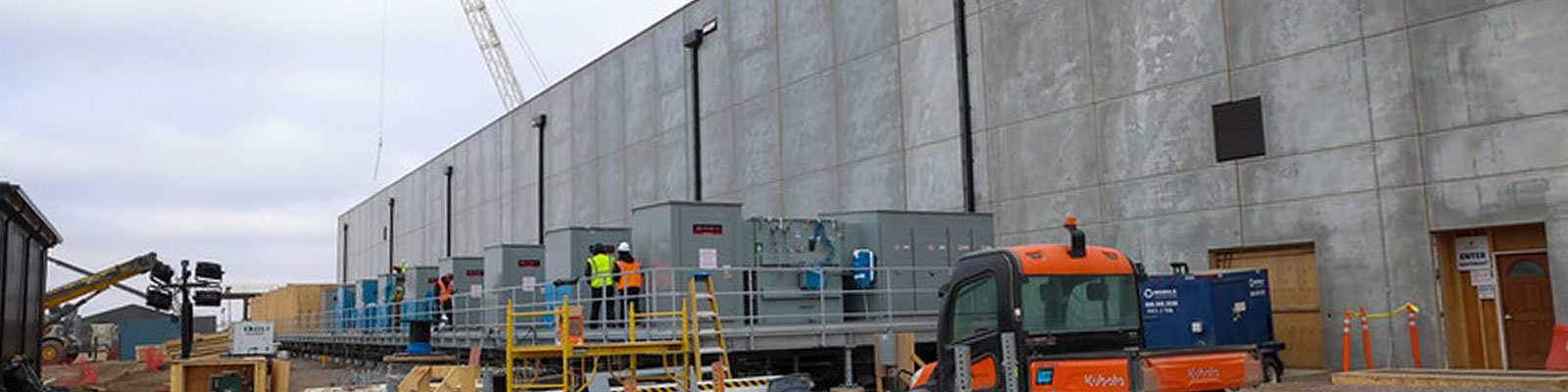
Today, Applied Digital’s presence demonstrates how North Dakota’s strong energy capacity, collaborative planning and proactive community engagement create an environment where complex, high‑demand operations can thrive. Their facilities in Ellendale and Harwood contribute to ongoing digital infrastructure growth, support local investment and reinforce North Dakota’s positioning as a destination for long‑term, future‑oriented development.
From energy certainty to community benefit, the Applied Digital story highlights why companies are choosing North Dakota and how thoughtful partnerships translate into shared progress for residents and businesses alike.
Community and Partner Action Steps
To prepare for high‑load or high‑growth projects, communities are encouraged to connect with Commerce early to discuss readiness and potential opportunities. Commerce can also guide communities in using planning tools such as Lois and Lasso, which help evaluate local capacity, available sites and development considerations. In addition, partnering with utility providers to understand current and future energy availability, along with assessing workforce, housing, and infrastructure needs ahead of potential development can help communities position themselves for success when new projects arise.